Onboard BBQ grilling: Amsterdam's ultimate social dining experience
Discover what is onboard BBQ grilling in Amsterdam! Enjoy a unique social dining experience on the water with great food and fun vibes.
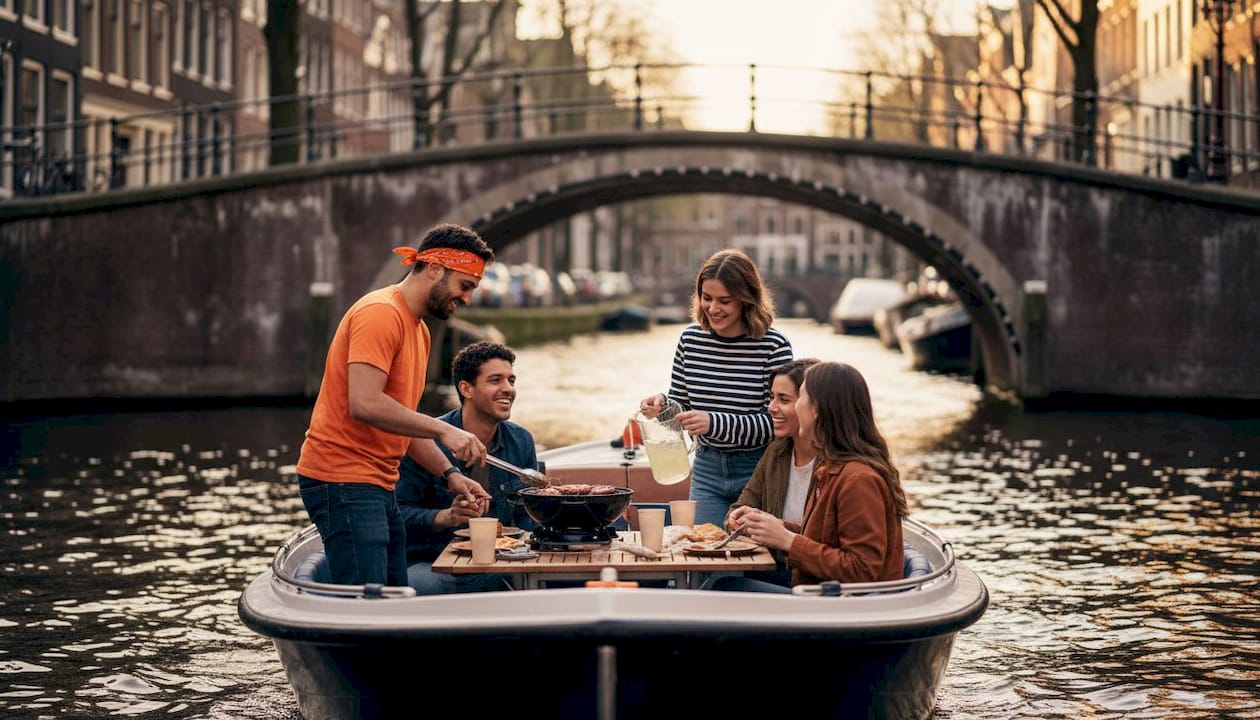
Onboard BBQ grilling: Amsterdam’s ultimate social dining experience
Most people assume grilling is a backyard affair. You fire up the coals, drag out the lawn chairs, and stay firmly on solid ground. But in Amsterdam, that assumption gets overturned the moment you step onto the calm waterways of the Amsterdamse Bos and realize that some of the best barbecue moments happen while floating. Onboard BBQ grilling has quietly become one of the city’s most talked-about social experiences, combining great food, open water, and the kind of group energy you just can’t recreate in a yard. This guide covers exactly what it involves, how it works safely, which rules apply, and how to make every moment count.
Table of Contents
What is onboard BBQ grilling?
Essential safety and setup: How onboard grilling works
Fuel types and their handling: Navigating propane, electric, and charcoal
Rules and restrictions: Where and when is onboard grilling allowed?
Making the most of onboard BBQ grilling: Tips for families and groups
What most guides miss about onboard BBQ grilling in Amsterdam
Set sail for your own onboard BBQ adventure in Amsterdam
Frequently asked questions
Key Takeaways
Point | Details |
|---|---|
Onboard grilling defined | Onboard BBQ grilling means cooking food on a boat with a grill, combining culinary fun and waterway adventure. |
Safety is essential | Secure the grill and follow fire precautions, since boats present unique risks compared to backyard setups. |
Choose the right fuel | Select marine-approved propane, electric, or charcoal grills based on your boat and preferences. |
Know local rules | Grilling is often restricted by location and time; always anchor your boat and check regulations before starting. |
Maximize group fun | Plan easy menus and setup for families and friends to enjoy onboard BBQ as Amsterdam’s ultimate social dining experience. |
What is onboard BBQ grilling?
Now that you know BBQ grilling isn’t just for backyards, let’s define what onboard grilling actually involves.
Onboard BBQ grilling generally means cooking food with a grill that’s installed on, or brought onto, a boat, so the grilling happens while guests are on the water. That single shift in location changes everything. The sizzle of the grill mixes with the sound of water. The smell of smoke drifts across the open air rather than into a neighbor’s yard. And the group is contained on a boat together, which forces a kind of natural togetherness that backyard setups rarely achieve.
In Amsterdam, this concept has taken on its own identity. The city’s canal culture is legendary, and the Amsterdamse Bos offers a quieter, nature-filled alternative to the busy inner-city canals. Families, friend groups, and corporate teams have discovered that renting a boat with an integrated grill turns an ordinary afternoon into something genuinely memorable.
“Grilling at sea isn’t just about the food. It’s about the whole experience: the setting, the motion of the water, the shared work of preparing a meal together, and the views that no backyard can replicate.”
The Amsterdam BBQ boat features available through rental services are purpose-built for this activity. Grills are mounted securely into the vessel, seating is arranged around the cooking area, and everything is designed to keep the process comfortable and social. Compare this to a traditional backyard setup where the cook is often isolated near the grill while everyone else socializes at a distance. On a boat, the grill is the center of the experience, and everyone gathers around it naturally.
Essential safety and setup: How onboard grilling works
Understanding what onboard grilling is sets the stage for mastering the safety and setup that make it practical and fun.
Onboard grilling requires that the grill be securely mounted and stable, and that fuel, ventilation, and fire-safety procedures be followed closely because boats create specific risks including tight spaces, motion, wind, and proximity to fuel and fabrics. A grill that shifts on land is a minor inconvenience. The same grill shifting on a moving vessel near fabric seating and a fuel tank is a serious hazard.
Here’s a step-by-step setup process for safe onboard grill operation:
Inspect the grill mount before every use. Shake it gently to check for wobble. If anything moves, don’t light the grill until it’s secured.
Check all fuel connections for leaks. Apply a soap-and-water solution to propane fittings; bubbles indicate a leak. Never skip this step.
Confirm ventilation around the cooking area. Grilling in an enclosed or semi-enclosed space builds up carbon monoxide quickly.
Place a fire extinguisher within arm’s reach. It should be marine-rated and tested within the last 12 months.
Clear the area of fabrics, ropes, paper products, and anything else that could catch a spark.
Anchor or moor the boat before igniting the grill. Never grill while underway.
The grill safety guidelines from BBQ Captain’s team follow this exact logic, which is why their boats are pre-configured for safe, enjoyable grilling without requiring guests to figure out the technical details themselves.
Comparison of grill types for onboard use:
Grill type | Ease of use | Safety profile | Smoke output | Storage needs |
|---|---|---|---|---|
Marine propane | High | Moderate (requires leak checks) | Low | Dedicated tank locker |
Electric | Very high | Highest (no open flame) | Very low | Requires shore or onboard power |
Charcoal | Moderate | Lower (embers, ash) | High | Dry sealed container |
Pro Tip: Always anchor or moor fully before lighting any grill onboard. Even a slow drift can shift the boat enough to create dangerous movement near an open flame.
Fuel types and their handling: Navigating propane, electric, and charcoal
Proper setup is vital, but picking the right grill fuel type determines both flavor and safety onboard.
Each fuel type comes with different handling considerations for heat, smoke, ash and embers, and power and fuel storage, so choosing the right one for your situation matters a great deal. Here’s what you need to know about each option.
Propane is the most common choice for marine environments. It lights quickly, offers solid heat control, and produces minimal smoke. The tradeoff is that propane tanks require careful handling. They must be stored in vented compartments, away from the engine and any ignition sources. Always use marine-approved regulators and hoses, not standard household versions, since marine gear is rated to handle the additional vibration and humidity that boats create.
Electric grills are growing in popularity, especially on vessels with reliable onboard power or shore power connections. They eliminate open-flame risks entirely, which makes them an excellent choice for families with young children. Heat control is precise and consistent. The main limitation is power availability; not every boat can support an electric grill without draining the battery system.
Charcoal delivers unbeatable smoky flavor that propane and electric simply can’t match. But on a boat, it presents real challenges. Ash and live embers are harder to manage in a confined, wind-exposed space. Disposal is complicated since you can’t just dump hot ash overboard. Charcoal bags also absorb moisture, so storage needs to be airtight and dry.
Pros and cons at a glance:
Fuel type | Flavor | Safety | Ease of use | Environmental impact |
|---|---|---|---|---|
Propane | Good | Moderate | Easy | Low to moderate |
Electric | Neutral | Best | Very easy | Depends on power source |
Charcoal | Excellent | Lowest | Moderate | Higher (ash disposal) |
Practical storage and safety tips for each fuel type:
Propane: Store tanks in a dedicated vented locker, never below deck in a sealed space. Keep the valve closed when not in use.
Electric: Inspect power cords before every trip. Use marine-grade extension cords rated for wet environments.
Charcoal: Store in airtight, waterproof bags. Bring a metal ash bucket with a lid, and never dispose of ash in the water.
Checking out the boat grill equipment provided by BBQ Captain is a smart move if you want to skip the fuel logistics altogether. Their boats use integrated electric grills powered by the vessel’s clean electric motor system, making the whole experience simpler and safer.
Rules and restrictions: Where and when is onboard grilling allowed?
Fuel and equipment matter, but knowing the local rules makes your BBQ safer and hassle-free.
Not every boat or dock permits grilling at every time or location. Regulations and restrictions can limit open flames and where grilling is allowed, and grilling should usually be done while the vessel is moored or anchored rather than underway. In Amsterdam, this is especially relevant because the waterways vary significantly in their regulations.
The inner-city canals of Amsterdam are busy, narrow, and subject to strict rules about mooring and open flames. The Amsterdamse Bos, by contrast, offers calmer, more permissive conditions for recreational boating and water-based activities. This is precisely why it’s a popular base for BBQ boat experiences.
Practical do’s and don’ts by location:
Do confirm with your rental company which specific zones are approved for grilling before you depart.
Do anchor or moor in designated areas before starting the grill.
Do check local restrictions on grilling hours, as some areas prohibit open flames after certain times.
Don’t light a grill in a no-flame zone, even if it feels remote or unmonitored.
Don’t grill near overhanging trees, docks made of wood, or any structure that could catch embers.
Don’t assume that a quiet canal means grilling is permitted there.
Pro Tip: Call or message your rental provider the day before your trip to confirm current grilling zones and any temporary restrictions. Conditions and regulations can change seasonally, especially during dry, high-fire-risk weather.
The local grilling guidelines at BBQ Captain are built into the booking and briefing process, so you’ll know exactly where you can grill and when before you ever leave the dock.
Making the most of onboard BBQ grilling: Tips for families and groups
Once you’re clear about rules and logistics, you can focus on creating amazing group memories.
Onboard BBQ experiences where food is prepared on board by a chef or the group itself using an integrated grill create a very different social dynamic compared to a restaurant or a static outdoor event. The act of cooking together becomes part of the entertainment.
Menu planning is where many groups either nail it or struggle. The golden rule is to keep it simple and crowd-pleasing. Skewers are a perfect example: easy to prep in advance, quick to grill, and easy to eat without a full table setting. Burgers, marinated chicken thighs, grilled vegetables, and fish fillets all work beautifully on a compact marine grill. Avoid dishes that require multiple pots, long cook times, or complex sauces that need refrigeration.
For families with kids, consider group party ideas that translate well to a floating setting: themed food picks, simple games that work on a boat deck, and kid-friendly menu options that everyone enjoys. A boat naturally limits space, which actually works in your favor by keeping the group close and engaged.
Setup and social tips for groups:
Assign a designated griller so everyone else can relax, rotate the role if everyone wants a turn.
Pre-marinate everything at home to cut prep time on the water and reduce the number of containers you need onboard.
Bring a small portable speaker for background music to set the mood without overwhelming the natural sounds of the water.
Plan your timing around sunset if possible; grilling during the golden hour on the water is one of those experiences you remember for years.
Pack smart: bring reusable plates and utensils, a small cooler for drinks, and a trash bag to keep the boat tidy.
Check the weather forecast the morning of your trip, since wind affects grill performance and comfort levels significantly.
Exploring BBQ boat rental options ahead of time helps you pick the right package for your group size and menu preferences, so nothing is left to last-minute improvisation.
What most guides miss about onboard BBQ grilling in Amsterdam
Having reviewed the essentials, let’s reveal what most guides overlook about this unique Amsterdam activity.
Most how-to guides treat onboard BBQ grilling as a purely technical subject. They cover grill types, fuel safety, and fire extinguisher placement, and stop there. What they miss is the thing that actually makes people come back and do it again: the canal atmosphere itself is doing at least half the work.
When you’re anchored on the calm waters of the Amsterdamse Bos, surrounded by trees, with the sound of water under the hull and the smell of smoke drifting past, something shifts in the group dynamic. People put their phones down. Conversations slow down and deepen. The Amsterdam BBQ boat experience creates a kind of natural pause in the usual pace of city life that most other social activities simply can’t replicate.
The common pitfalls we see? Groups rushing the preparation. They arrive, want to fire up the grill immediately, and skip the 20 minutes of just floating and settling in. That adjustment period matters. Let the group breathe and take in the setting before the cooking begins. Another frequent mistake is ignoring how weather affects mood on the water. A light breeze is pleasant. A sustained wind makes grilling harder and the experience less enjoyable. Building some weather flexibility into your plan is always worth it.
Canal etiquette is also something visitors often underestimate. You’re sharing a waterway with other boats, wildlife, and residents of the area. Keeping music at a respectful volume, not crowding other moored boats, and cleaning up completely before you leave are all part of being a good guest on Amsterdam’s waterways.
The hard-won lesson: plan extra anchor time. Don’t overschedule the outing. Build in at least 30 minutes more than you think you need, both for safety and for the simple pleasure of sitting still on the water after the meal is done. That’s often when the best conversations happen.
Set sail for your own onboard BBQ adventure in Amsterdam
If you’re ready to turn these insights into a real adventure, here’s how to get started.
BBQ Captain makes the entire process straightforward for families and groups who want a memorable day on the water without the hassle of sourcing equipment, checking regulations, or worrying about safety logistics.
The boat rental details cover everything from vessel capacity to the integrated electric grill setup that makes onboard cooking genuinely easy. You don’t need a boating license, and the boats are designed with child safety features that give parents real peace of mind. Packages include food options, so you can arrive ready to grill without a complicated shopping trip. Check out the booking and packages page to see current availability, seasonal discounts, and customization options. Whether you’re planning a family outing, a birthday celebration, or a casual group day, BBQ Captain has a package that fits.
Frequently asked questions
Can you grill while the boat is moving, or must it be anchored?
Grilling should always be done while the vessel is moored or anchored, not underway; the motion and wind exposure while moving create serious fire and safety risks that make cooking on a moving boat genuinely dangerous.
What types of grills are safest for use onboard?
Marine-approved propane and electric grills are the safest options for onboard use, provided the grill is securely mounted, ventilation is adequate, and all fuel connections are checked before ignition.
Are there any restrictions on grilling in Amsterdam’s canals?
Yes, open flame restrictions vary by location and season across Amsterdam’s waterways, with certain docks and canal zones prohibiting grilling entirely or limiting it to specific hours.
How do you store fuel safely while onboard?
Propane tanks must go in dedicated vented lockers away from heat sources, while charcoal should be kept in airtight waterproof bags, and all fuel storage should follow the specific guidelines provided by your boat rental company.
What are the best menu options for an onboard BBQ?
Simple, pre-prepped foods prepared on board work best: skewers, burgers, marinated chicken, grilled fish, and vegetables cook quickly and are easy to serve and eat in a relaxed, floating setting.