Types of Food Packages for Boats: a Practical Guide
Discover the best types of food packages for boats to ensure your meals remain fresh and mess-free. Enjoy a hassle-free outing on the water!
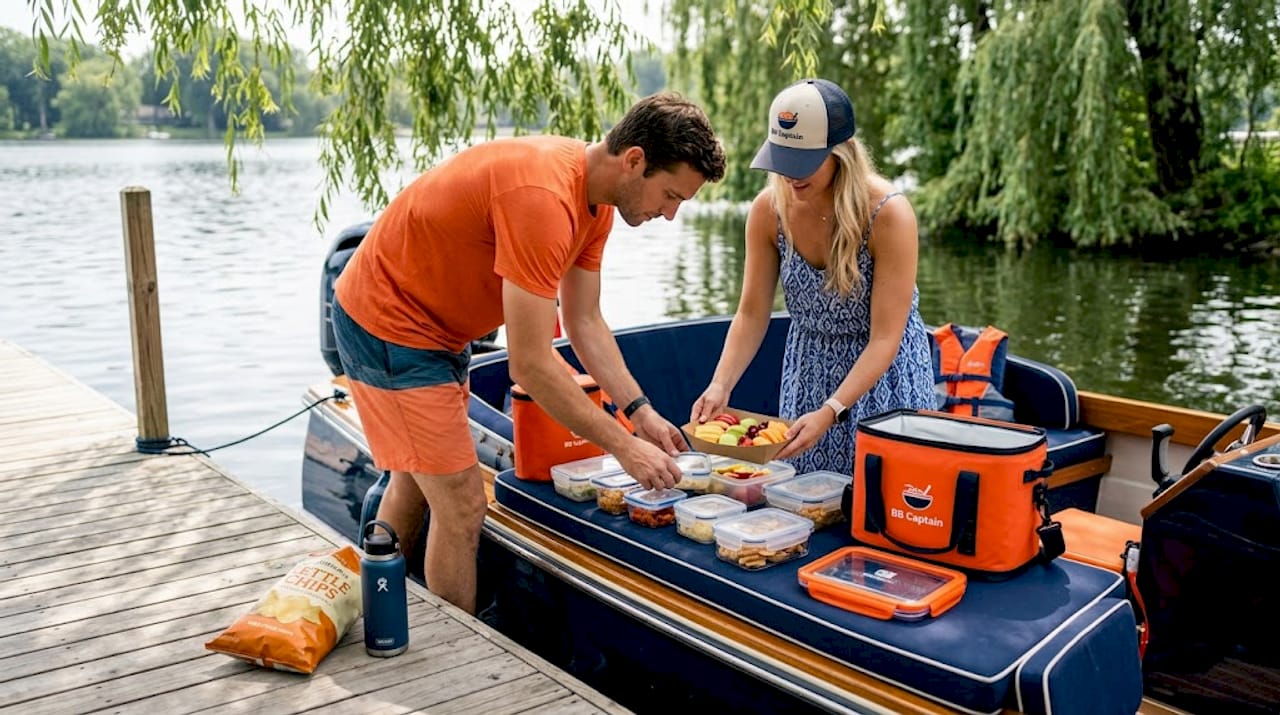
Types of Food Packages for Boats: a Practical Guide
Planning a boat outing is genuinely exciting until you realize your food came out of the cooler as a soggy, mixed-up mess. Choosing the right types of food packages for boats makes the difference between a relaxed, delicious day on the water and a frustrating cleanup operation. Boat motion, limited counter space, sun exposure, and no kitchen sink mean your packaging decisions matter before you ever leave the dock. This guide walks you through every major option, with real criteria and honest trade-offs so you can pack smarter.
Table of Contents
Key takeaways
Types of food packages for boats: key selection criteria
1. Disposable food trays and boats
2. Hard plastic containers with locking lids
3. Vacuum-sealed bags and pouches
4. Reusable bento-style containers
5. Insulated bags and soft-sided cooler pouches
6. Block ice versus cube ice packaging strategy
7. Raised racks and baskets inside coolers
8. Shelf-stable packaging for longer trips
9. Secure bins for canned and heavy items
10. Comparison of major food package types
My take on why packaging is always the last thing people plan
Skip the packaging stress with Bbqcaptain
FAQ
Key takeaways
Point | Details |
|---|---|
Packaging type affects freshness | The right marine food containers keep food dry, cold, and uncontaminated throughout your outing. |
Trip length shapes your strategy | Day outings call for cooler-based packaging; multi-day trips rely heavily on shelf-stable formats. |
Spill resistance is non-negotiable | Boat motion means any loose or flimsy packaging will cause mess and waste. |
Eco-friendly options exist | Compostable and PLA-lined trays let you reduce waste without sacrificing food safety. |
Plan packaging early | Choosing containers before you pack prevents cross-contamination and avoids last-minute chaos. |
Types of food packages for boats: key selection criteria
Before you pick a container or bag, you need to know what makes boating food storage different from a regular picnic. A park bench does not rock. A boat does.
Spill and leak resistance sits at the top of the list. Any container that relies on a friction-fit lid or a loosely twisted bag will fail the moment you hit a wake. Look for snap-lock or screw-top lids that stay sealed when tilted or jostled.
Thermal performance matters more than most people expect. Without a refrigerator nearby, the time food spends in the temperature danger zone adds up fast. Good food packaging for sailing creates a moisture and thermal barrier that slows down temperature transfer. Insulated pouches, vacuum-sealed bags, and hard-sided coolers with tight-fitting lids all extend the safe window.
Here are the practical criteria worth checking before you commit to any packaging format:
Durability against water, impact, and sun exposure (UV can degrade thin plastic within hours in direct sunlight)
Barrier properties for grease, moisture, and odor so one leaky package does not ruin everything around it
Portability meaning size and shape that fit inside a cooler or locker without wasting space
Portion sizing so food is easy to grab and share without cutting or plating onboard
Environmental impact, since you carry your trash home with you on most boat outings
Pro Tip: When figuring out how to pack food for boating, count your containers before you count your food. Running out of appropriate packaging mid-prep leads to improvised solutions that almost always fail.
Material safety is also worth a moment. Food-grade certifications matter on packaging that will sit in a warm cooler for hours. Avoid any container not labeled food-safe, and check that coatings or liners will not leach when heated by sun.
1. Disposable food trays and boats
These shallow, open-sided containers are specifically designed for portioned finger foods, snacks, and grilled items. Food boat packaging comes in kraft paper, coated paperboard, PLA-lined, and bagasse materials, each offering different levels of grease resistance and moisture barrier performance.
Kraft paper trays handle dry snacks and bread beautifully. Coated paperboard adds grease resistance for anything fried or oily. PLA-lined versions are compostable and work well for cold foods and salads. Bagasse trays (made from sugarcane fiber) are the most rigid and eco-friendly, handling heavier portions without collapsing.
These work best for day outings where you plan to eat quickly and dispose of packaging before returning to shore.
2. Hard plastic containers with locking lids
For wraps, pinwheels, sandwiches, or salads, a hard plastic container with a four-sided locking lid is one of the most reliable pieces of boating food storage gear you can own. Wraps cut into pinwheels and packed in hard plastic containers prevent mess and hold ingredients tightly, traveling well in coolers without turning soggy.
The rigid walls protect food from being crushed when you stack cooler contents, and the locking mechanism means the lid will not pop off if the container slides or tips. Look for containers that are also freezer-safe so you can pre-chill them overnight.
3. Vacuum-sealed bags and pouches
Vacuum sealing removes the air that accelerates spoilage. It also dramatically reduces the package footprint, which matters when cooler space is limited. These pouches are among the best food bags for boats when you need items to last longer without taking up volume.
The trade-off is setup. You need a vacuum sealer at home before the trip. Once sealed, the bags are not easily reusable and require cutting open. But for marinated proteins, cheese, deli meats, or pre-cooked grains, the freshness extension is worth it.
4. Reusable bento-style containers
Bento containers divide a single box into separate compartments. This is a smart format for boat outings because it prevents foods from mixing, eliminates the need for multiple smaller containers, and makes portion control simple. One box per person means no confusion about whose food is whose.
For families with kids, bento-style lunchboxes are particularly practical. Check out Bbqcaptain’s guide on kids-friendly boat food for container formats that keep snacks organized and safe in a cooler during outings.
5. Insulated bags and soft-sided cooler pouches
Soft insulated bags fill the gap between a rigid cooler and a bare tote. They fold flat for easy storage, keep temperature-sensitive items cold for several hours, and work well for snacks or items you want to access repeatedly without opening the main cooler.
These are excellent for small group outings or picnic-style boating in Amsterdam, where quick access to snacks and drinks is part of the experience. The soft walls also absorb minor impacts without cracking.
6. Block ice versus cube ice packaging strategy
This one surprises most people. Block ice lasts 5 to 7 days in well-insulated coolers, dramatically outperforming cube ice for longer trips. For day outings, this difference is smaller. But for weekend or multi-day provisioning, switching to block ice is a packaging strategy in itself since it frees up cooler volume and keeps contents drier.
Place block ice at the bottom and food packages on top, always in sealed containers. Never leave food directly touching bare ice if you can help it.
7. Raised racks and baskets inside coolers
Melted ice water is a food quality killer. Using raised racks or baskets inside coolers prevents food from sitting in cold meltwater, extending freshness and preventing sogginess onboard. This is not a packaging type per se, but it is a food packaging system that determines whether your packaging holds up through a full day on the water.
Wire cooling racks or collapsible silicone baskets fit most standard coolers and cost very little. Pair them with sealed containers and you will notice a significant difference in food quality by the end of the day.
8. Shelf-stable packaging for longer trips
One-week offshore provisioning relies heavily on shelf-stable canned goods, dried grains, condiments, and sauces due to limited refrigeration. Once you move past a single-day outing, your packaging strategy has to account for items that do not need cold storage at all.
Canned beans, dried pasta, rice, and vacuum-packed spice blends become the backbone of the food plan. Packaging choices for boat food need to match temperature challenges: shelf-stable formats for longer trips, cooler-based formats for day outings.
Pro Tip: Follow a phased provisioning plan for multi-day trips: use fresh items in the first 24 hours, refrigerated items through day three, and shelf-stable packaging for everything after that.
9. Secure bins for canned and heavy items
Motion on the water is not just inconvenient. It is a genuine safety issue for heavy packaging. Canned food should be stored in secure bins with lids to prevent shifting and damage on rough water. Heavy cans that slide freely can dent, contaminate neighboring food, or create noise and hazard underfoot.
Lidded plastic bins with handles are the simplest solution. Stack cans in a single layer, pad gaps with folded towels or rubber shelf liner, and store the bin low and centered in the boat.
10. Comparison of major food package types
Here is a clear side-by-side look at how the main options stack up:
Package type | Best food use | Durability | Eco-friendliness | Cost |
|---|---|---|---|---|
Kraft paper trays | Dry snacks, bread | Low | High | Very low |
Coated paperboard trays | Oily or fried items | Medium | Medium | Low |
Hard plastic containers | Wraps, salads, cold meals | High | Low to medium | Medium |
Vacuum-sealed pouches | Proteins, cheese, grains | High | Low | Medium |
Bento-style lunchboxes | Mixed portions, kids meals | High | High (reusable) | Medium to high |
Soft insulated bags | Snacks, drinks | Medium | Medium | Low to medium |
Lidded canned storage bins | Shelf-stable provisions | Very high | High (reusable) | Low |
Pro Tip: For food safety on boats, use color-coded containers for raw proteins versus ready-to-eat items. This prevents cross-contamination without needing labels that peel off in the moisture.
My take on why packaging is always the last thing people plan
I have been on more boat outings than I can count where the food was thoughtfully chosen and lazily packed. Someone brought beautiful cheese and crusty bread and stuffed it into a grocery bag with a bag of chips on top. By lunchtime, everything was a crumbled, cheese-smeared mess.
What I’ve learned is that packaging is treated as an afterthought because it feels administrative. But the role of food packages on boats is genuinely functional, not decorative. Packaging determines whether food is still safe to eat at the two-hour mark. It determines whether kids can grab a snack without making a mess. It determines whether the cooler smells fine or like a disaster when you open it.
My honest opinion: one reusable hard container per person, one soft insulated pouch for snacks and drinks, and a block of ice instead of a bag of cubes will solve 90% of boat food problems. That setup costs less than most people spend on snacks themselves and makes the entire outing more pleasant.
The environmental angle matters too. You carry your trash back from most boat outings. Compostable trays and reusable containers mean significantly less bulk on the return trip. I have seen groups fill an entire trash bag with single-use packaging from a three-hour outing. That is avoidable.
Plan packaging the same day you plan your menu. They are the same decision.
— Giuliano
Skip the packaging stress with Bbqcaptain
Figuring out which containers work, how much ice you need, and how to keep food fresh can turn a fun boat outing into a logistics exercise. Bbqcaptain takes the guesswork out of it.
Bbqcaptain’s electric BBQ boat rentals on the Amsterdamse Bos come with customizable food packages designed specifically for onboard eating. Portions are sized for sharing, packaging is chosen for boat conditions, and the whole experience is built around relaxed, mess-free dining on the water. You can see how the whole process works and find out which food packages fit your group, whether you are planning a family outing, a date, or a corporate event. Find out more about what’s inside each rental package before you book.
FAQ
What types of food packages work best on a boat?
Hard plastic containers with locking lids, vacuum-sealed pouches, and bento-style lunchboxes are the most reliable options for boating food storage because they resist spills, protect food from crushing, and stay sealed during boat motion.
How do you keep food fresh on a boat without a fridge?
Block ice in a well-insulated cooler extends cold storage by 5 to 7 days, while raised baskets inside the cooler prevent food packages from sitting in meltwater, keeping contents dry and fresh throughout the trip.
What is the best food packaging for a day boating trip?
For a day outing, insulated soft bags for snacks and drinks combined with hard containers for main meals cover most needs. Compostable trays work well for finger foods and are easy to dispose of after eating.
How do you prevent cross-contamination in boat food storage?
Use color-coded containers to separate raw proteins from ready-to-eat foods, and keep all meat in sealed vacuum pouches or hard containers at the bottom of the cooler, away from produce and prepared items.
Does packaging strategy change for longer sailing trips?
Yes. Multi-day trips require a phased approach: fresh and refrigerated items in the first one to two days, followed by shelf-stable packaging like canned goods, dried grains, and vacuum-packed provisions for the remainder of the journey.